
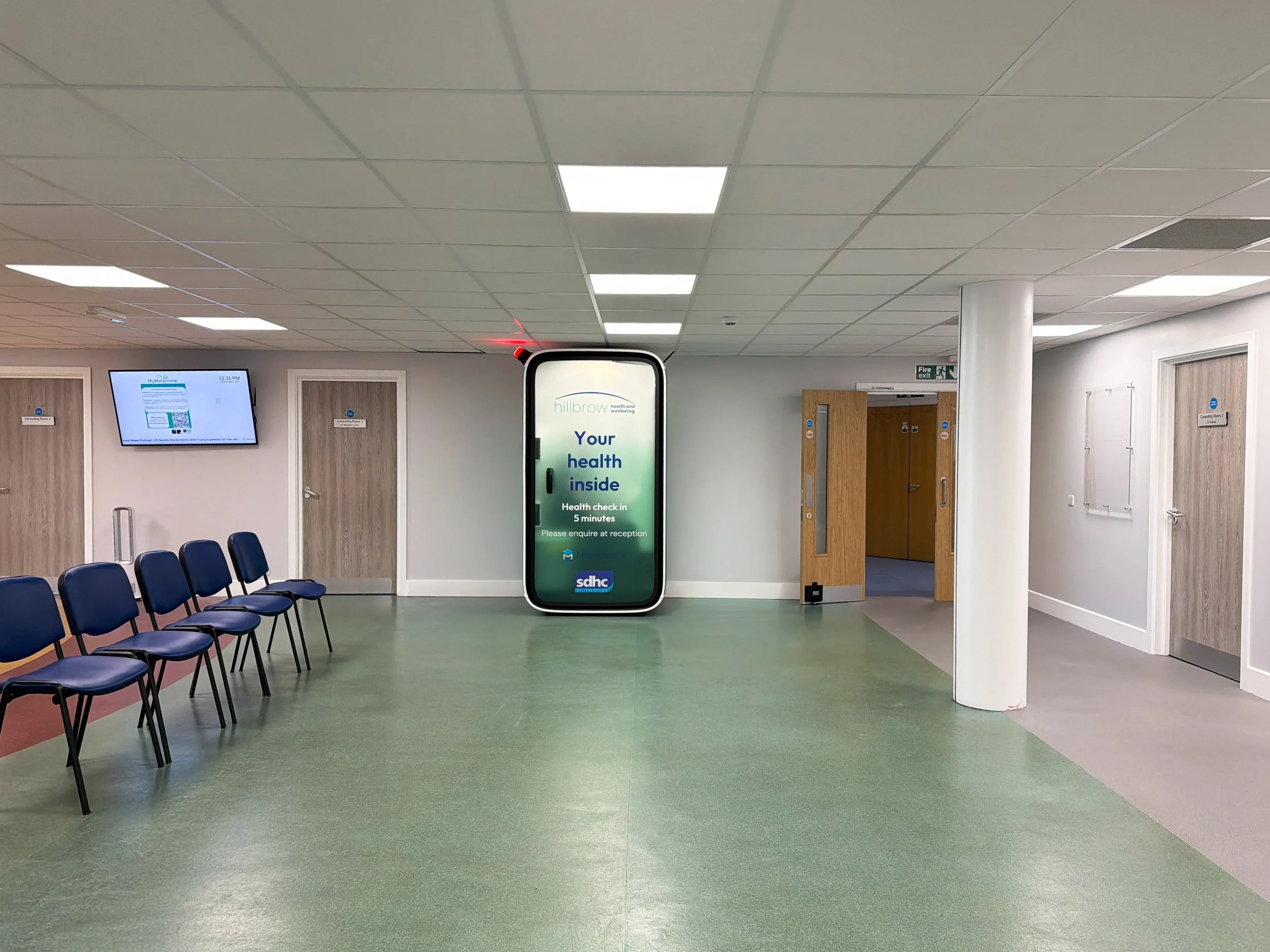
SDHC: From Reactive to
Proactive Care
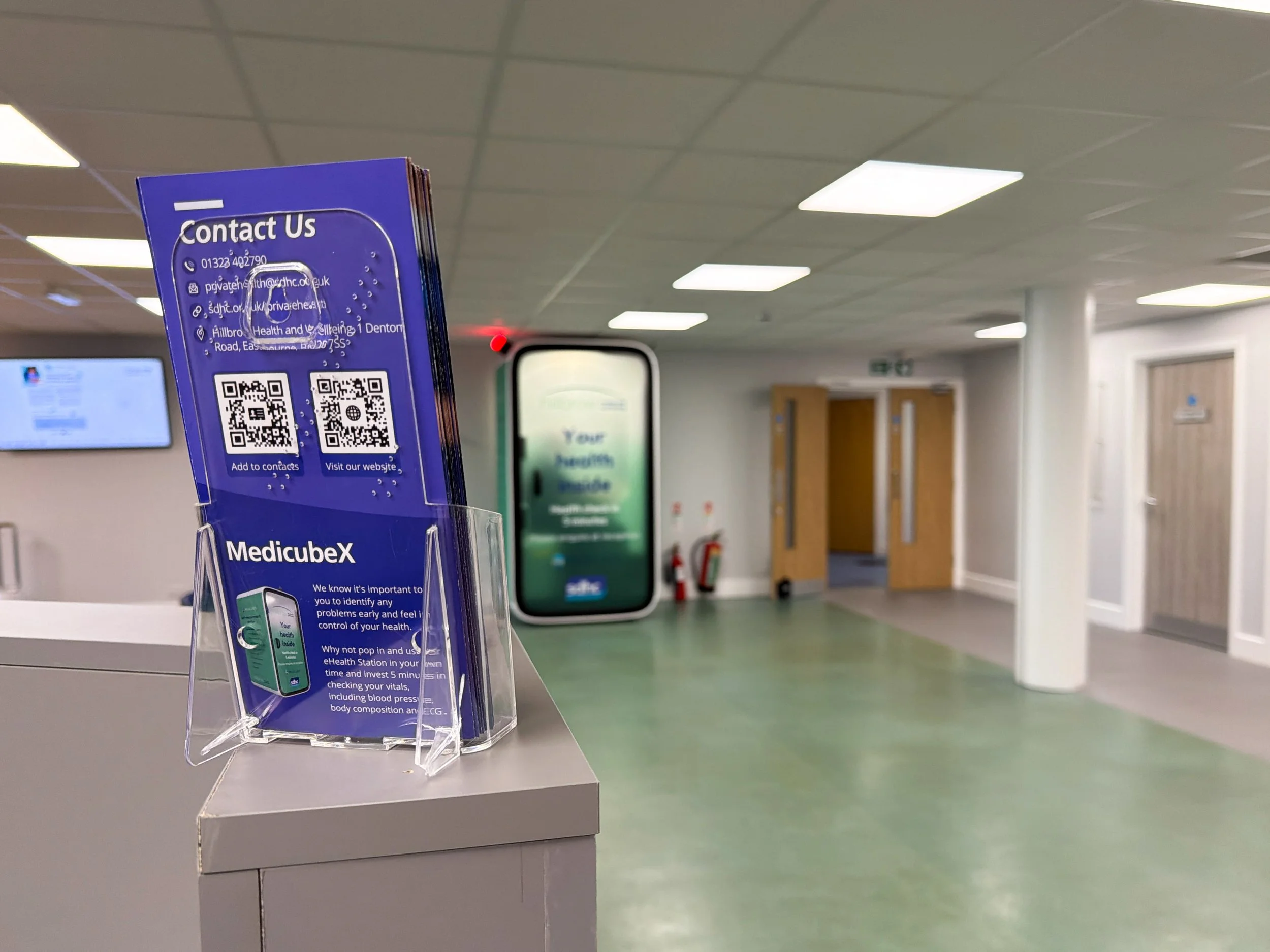
In the traditional healthcare landscape, the relationship between patient and doctor is often reactive: a person falls ill, seeks help, and receives treatment. South Downs Health and Care (SDHC) is dismantling this model by pivoting toward a proactive future where disease is intercepted long before it reaches a crisis point. In addition to offering people health improvement classes and medical services, SDHC offers its customers a chance to measure their cardiovascular disease and type-2 diabetes risk independently with the MedicubeX eHealth Station™.
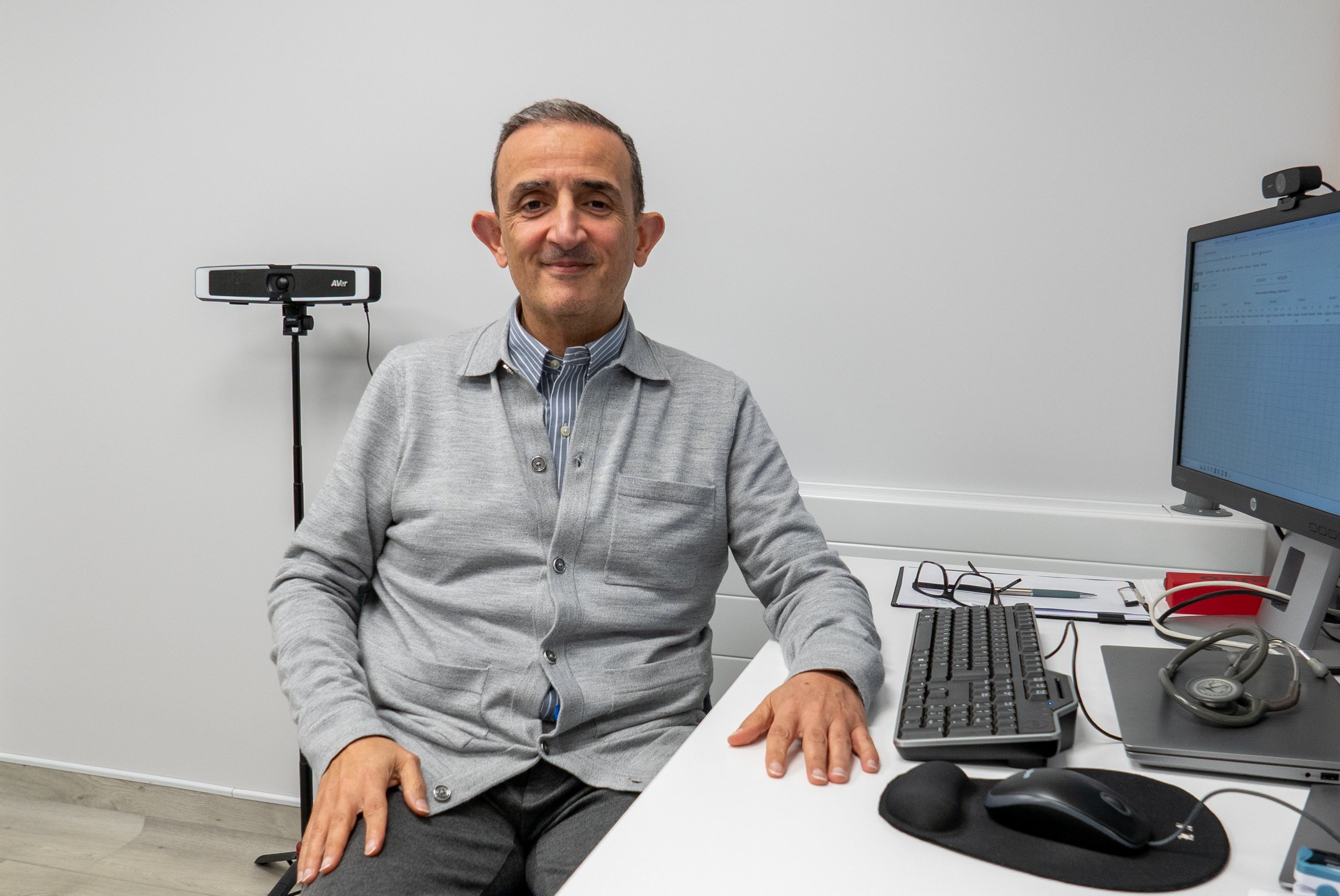
Dr. Hayder Al-Shamaa is a highly experienced General Practitioner who has been serving the East Sussex community since 2006. With a career spanning over three decades since his qualification from Baghdad University in 1995, Dr. Al-Shamaa combines deep clinical expertise with a commitment to medical education and holistic patient care.
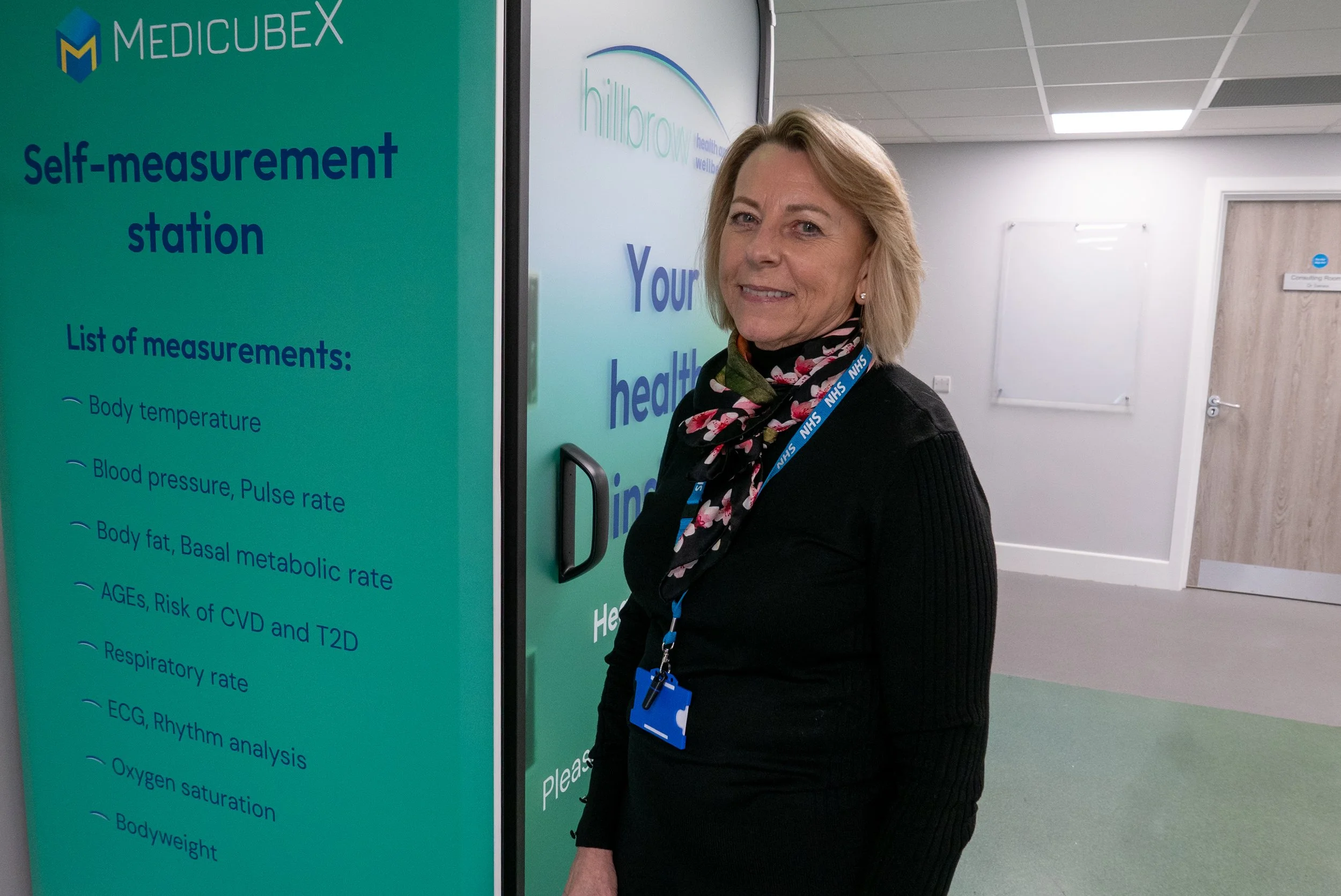
Fiona Collins, Chief Operating Officer, joined SDHC in July 2022, bringing a wealth of leadership experience to the executive team. With a career spanning over 25 years in running independent NHS-commissioned clinical services, she is a veteran of healthcare operations and service delivery. Fiona ensures the safe and effective delivery of both private and NHS services across clinical sites.

What SDHC Does: A New Model of Care
South Downs Health and Care (SDHC) is a GP Federation, operating on behalf of local GP practices in East Sussex. It has developed a unique concept for making sure people in their area are proactively improving their health.
In partnership with Wave, the organization transformed the former University of Brighton Sports Centre into the Hillbrow Health and Well-being hub. This repurposed facility now serves as a comprehensive center for holistic care, strategically divided to bridge the gap between fitness and medicine: one wing is dedicated to providing easy access to physical activity, while the other houses a state-of-the-art clinical suite.
– Our aim is to enable people to live the best and healthiest lives possible. We want to ensure people in our community have the opportunity to interact with physical activity to maintain their health and well-being, Fiona explains.
– We focus on preventative medicine and predicting any upcoming problems with regular checkups. We do not just offer GP appointments, but we encourage people to be physically active by having a swimming pool, gym, pilates classes, and even in-house physiotherapists at their disposal, Dr. Al-Shamaa continues.
Anyone walking in can transition seamlessly from a clinical consultation to a swimming pool, a Pilates class, or a specialised rehab session.
– The shared purpose behind everything we do here is to guide someone from illness to health and see that change take hold, Fiona summarises the mission behind the operations.
Aligning National Health Strategy with Local Action
In the United Kingdom, the link between physical activity and long-term health is a cornerstone of national policy in its 10-year plan. It recognises that inactivity is a primary driver of high mortality rates; conversely, those who maintain an active lifestyle consistently live healthier, happier, and longer lives.
At the same time, local hospitals are becoming fuller which strains the healthcare system.
– Hospitals are seeing many people whose admissions could potentially have been avoided through earlier proactive advice, support, and healthier lifestyle interventions. If we can help people respond to health conditions before hospital admission becomes necessary, even in a small way through the different initiatives we are developing, I think that is really powerful, Fiona says.
SDHC was recently chosen to be a part of the L4SC (Leading for System Change) programme with NHS England. The goal is to bring together local organisations to redesign care and improve population health, creating shared leadership and action.
As a part of this initiative, SDHC shares working practices, learnings and insights between different areas of the Southeast of England.
– We are very lucky to be a part of the L4SC program where we are trying to work in our own community in conjunction with other system partners to improve cardiovascular health and prevent cardiovascular disease, Fiona says.
Innovation in Education: The Future of Clinical Training
The commitment to innovation extends beyond patient care into workforce development.
In partnership with the Kent, Surrey, and Sussex (KSS) Deanery, SDHC is pioneering a new approach to postgraduate GP training.
A new initiative involving live-streaming clinical consultations is currently being implemented by Dr. Al-Shamaa. This technology provides GP trainees the rare opportunity to observe a complete, real-world general practice consultation without the potential interruption caused by a physical observer in the room.
This project, which has been in development for over a year, positions SDHC as a driving force for a more universal approach to training in East Sussex.
– We are proud to be the on the cutting edge of training where GP trainees can follow an appointment remotely without compromising the quality of either learning nor the appointment itself, Dr. Al-Shamaa describes.
The method allows dozens and even hundreds of GP trainees to experience the same consultation live at the same time, which has previously been impossible.
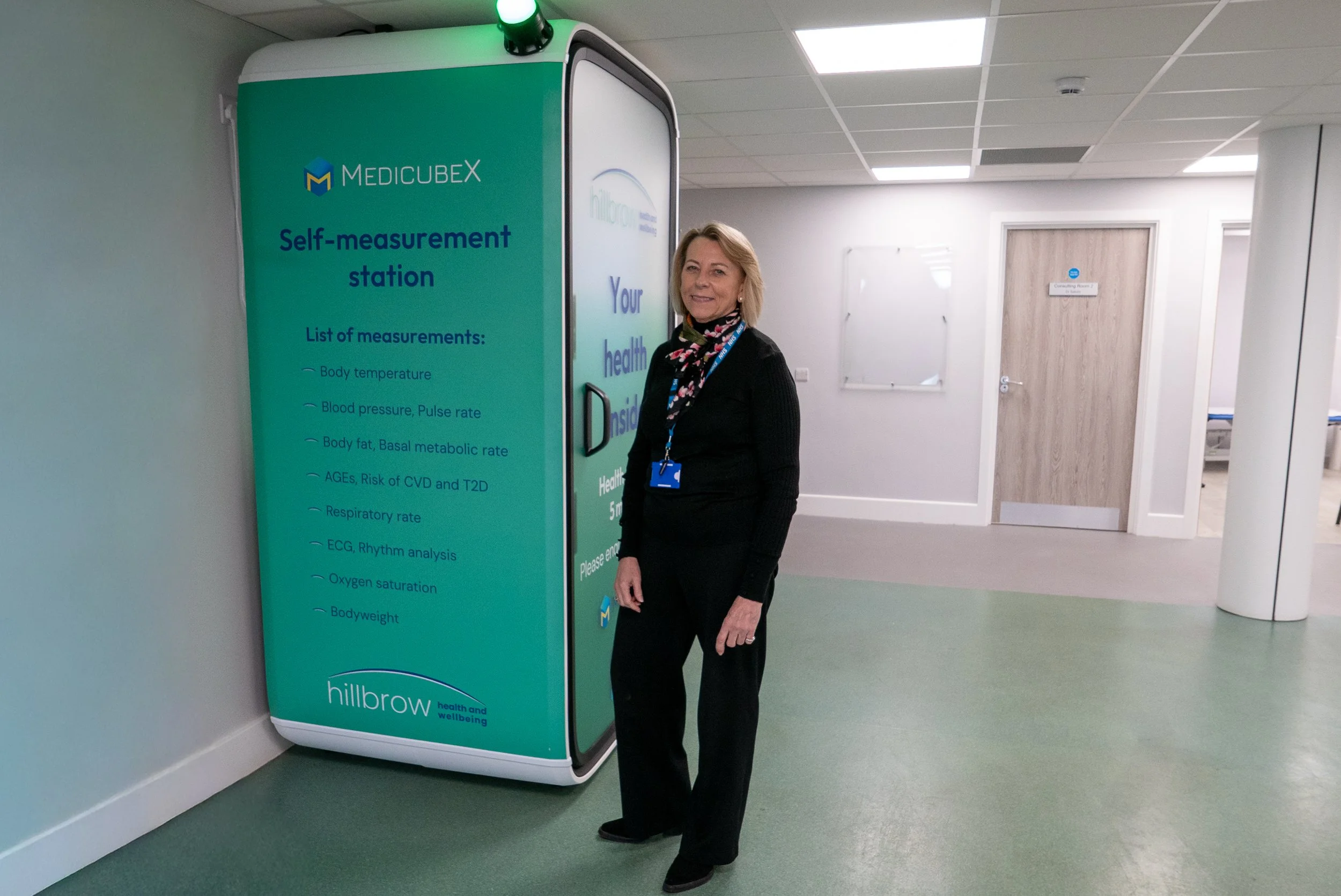
Proactive Medicine in Practice: Placing the eHealth Station™ in the Lobby
The clinical facility serves over 100 patients daily, bolstered by extended access services in the evenings. This high-volume environment means it needs to use digital solutions strategically as a part of the patient path.
The MedicubeX eHealth Station™ is becoming the first touchpoint of the clinical experience at SDHC. By asking patients to spend five minutes in the station before their GP appointment, the organization has gained several systemic benefits.
1. Reclaiming the Consultation
In the modern UK health system, GPs are under immense pressure, often facing a two-way street of stress: patients with complex, multiple concerns and doctors with strictly limited time.
– When customers use the eHealth Station™ before their appointment, GPs are presented with a full list of observations that have already been undertaken that they can refer to as part of their consultation, Fiona says.
Because routine health measurements, such as the blood pressure, weight, and type 2-diabetes risk, are already captured, GPs at SDHC report having more time to actually talk to and hear the patient. This leads to agreed-upon plans and higher satisfaction for both parties.
– Our GPs enjoy working here because they have more time to undertake consultations when their appointments are not focused on collecting routine health measurements. That leads to patients feeling heard, because consultations feel less rushed Fiona adds.
2. Supporting the Next Generation of GPs
Hillbrow serves as a vital training hub for GP Registrars on four-month placements.
For these trainees, whose consultations are naturally slower as they learn, the eHealth Station™ provides a vital safety net of data, maximising their learning time and ensuring no clinical markers are missed.
– Our GP trainees can maximise the time that they have with that patient when routine measurements are already done before the patient steps into the consultation room, Fiona says.
3. Finding the Asymptomatic Cases
– We encourage everyone coming through our doors to perform a 5-minute health screening with the eHealth Station™ regardless of the clinical presentation or the reason of the visit. The health-check provides so many predictive values ranging from cardiovascular risks to T2D markers that I find magnificent and really helpful for all our clinicians on a daily basis, Dr. Al-Shamaa states.
Patients arriving at the clinical suite can discover underlying issues, such as high blood pressure or cardiovascular risks, allowing for intervention even before symptoms are experienced.
4. Tangible Results Motivate People
Seeing tangible results regarding your health is also motivating for an individual.
– The eHealth Station™ is a motivator. Patients who attend wellness classes use it every three months to monitor their progress. Seeing a cardiovascular risk score drop from 'at-risk' to 'normal' over nine months provides the visible proof they need to stay committed to a healthy lifestyle, Dr. Al-Shamaa says.
Catching the Silent Cases with Health Screenings
While some use the eHealth Station™ to obtain a baseline for their health and track training progress, the most profound impact for the general public is on asymptomatic screening.
– It is really fantastic to have an option where anyone is able to walk down to the clinical area of the building and say “please, can I go into the eHealth Station™” just to get those results to see how much progress they are making, says Fiona.
Dr. Al-Shamaa has seen first-hand how a simple health screening revealed something bigger.
A patient utilised the eHealth Station™ as part of a routine clinical visit.
Despite the patient being entirely unaware of any cardiac symptoms, the eHealth Station™ flagged a heart rhythm irregularity during the 1-ECG measurement. Upon clinical review of the data, the team confirmed a diagnosis of Atrial Fibrillation (AF).
– The patient was completely unaware of the condition, and its discovery was life-saving, as they were just about to go on a trip. The condition could have created complications during the trip, but they were completely avoided by spotting the issue and starting the correct treatment before their trip, Dr. Al-Shamaa explains.
More Data with Streamlined Processes
There is a growing concern within the organisation that the routine medical observations once synonymous with a GP visit are becoming a thing of the past.
In years prior, a simple check-up almost always included an automatic blood pressure reading; today, however, these measurements are often only dedicated to specific scheduled appointments or only prompted by the onset of active symptoms.
This shift toward a reactive rather than proactive model creates a clinical gap where early warning signs may go unnoticed. As the SDHC team has observed:
– People wait until they have a list of issues to talk about before booking a GP appointment, even though a GP appointment is designed to focus on one specific concern. That leaves a GP very limited time to get to the bottom of an issue, conduct an examination, write up their notes and be ready for the next patient that is coming in shortly after that, Fiona describes.
Dr. Al-Shamaa agrees, and continues:
– Since we have had the eHealth Station™, I have more information already available at the start of each consultation. Even today, more than 50% of my patients used it prior to coming to the appointment, and I could glance over the results in seconds. It has made me less reliant on external services, as many of the important markers are already on the receipt the patient hands me. It is a real time saver.
Whether addressing diabetes, hypertension, or heart disease, this forward-thinking approach empowers individuals to secure their future well-being through early intervention and consistent monitoring.
Case Study Spotlight: From "At-Risk" to "Normal"
The value of the eHealth Station™ can be illustrated through the lived experience of those who use it as a long-term wellness partner.
One such patient, a health-conscious individual, has integrated the platform into their quarterly wellness routine to proactively manage their cardiovascular health.
The 9-Month Transformation
By utilising the clinical data provided by the eHealth Station™, Dr. Al-Shamaa was able to calculate a precise cardiovascular risk profile for this patient. Over the course of nine months, the impact of their lifestyle choices became tangibly visible:
Quarterly benchmarking: The patient attended the clinic every three months specifically to recalculate their risk factors.
Measurable progress: Through consistent monitoring and subsequent lifestyle adjustments, their risk assessment visibly dropped from a low grade risk category to a normal, healthy level.
The motivator effect: Having access to this objective, clinical data served as a powerful psychological motivator, reinforcing their healthy habits and providing the proof that their efforts were yielding life-extending results.
– We are no longer just reacting to symptoms; we are providing patients with a data-driven platform to actively reduce their risk of future disease. Seeing a risk profile drop to normal over nine months is a profound success for both the patient and the clinical team, Dr. Al-Shamaa summarises.
“eHealth Station™ has changed the way we practice medicine”
The collaboration between SDHC and MedicubeX represents a shift toward preventative healthcare.
It acknowledges that while individuals are responsible for their health, the system must provide the access and tools to make that responsibility possible.
– Everyone is responsible for their own health, but that is easier said than done. We want to spot any potential conditions before they reach the point of no return where the damage done is irreversible, Fiona states.
Dr Al-Shamaa agrees and highlights the importance of implementing preventative healthcare into the daily routines.
– After 20 years of being a GP, the eHealth Station™ has changed the way we practice medicine. I think the eHealth Station™ is essential for GP practices, walk-in centres, private hospitals, aesthetic clinics, and private GP providers, because we truly need to move from relying on people to seek help once they start living with the illness or disease to preventive medicine. The MedicubeX eHealth Station™ is the perfect solution for that, says Dr. Al-Shamaa.
After a year of having the eHealth Station™ at SDHC, it has become an essential enabler of its mission:
– If you were to take the eHealth Station™ away today, we would probably fight you at the door. Without it, our ability to chart progress and spot potential disease would be incredibly limited. It is a vital part of our journey toward ensuring our community lives longer, better lives. And I am so glad we have it, Fiona adds.


"The MedicubeX is already streamlining patient care – from speeding up appointments to supporting memory assessments – and patients love how simple it is to use. We see huge potential in tools like this to transform both efficiency and patient experience."
Dr Nick Harvey
GP & CEO
South Downs Health and Care Ltd, Hillbrow Health & Wellbeing